


Top Agricultural Products Every Farmer Should Consider
- Nov 2, 2025
- 4 min read
Farming today involves more than just planting seeds and waiting for a harvest. Choosing the right crops or products to grow can make a big difference in profitability, sustainability, and market demand. With changing climates, consumer preferences, and technology, farmers need to be strategic about what they cultivate. This post explores some of the top agricultural products that offer strong potential for farmers looking to diversify or improve their operations.
Why Choosing the Right Agricultural Products Matters
Selecting the right agricultural products affects income stability, resource use, and long-term viability. Some crops require less water or fewer inputs, while others have higher market prices or growing demand. Farmers who align their choices with local conditions and market trends can reduce risks and increase returns.
Factors to consider include:
Climate and soil suitability
Market demand and price trends
Input costs and labor requirements
Crop rotation and soil health impact
Potential for value-added products
Understanding these factors helps farmers pick products that fit their land and business goals.
High-Value Vegetables That Grow Well in Many Regions
Vegetables often offer quick returns and steady demand. Some vegetables stand out for their profitability and adaptability.
Tomatoes
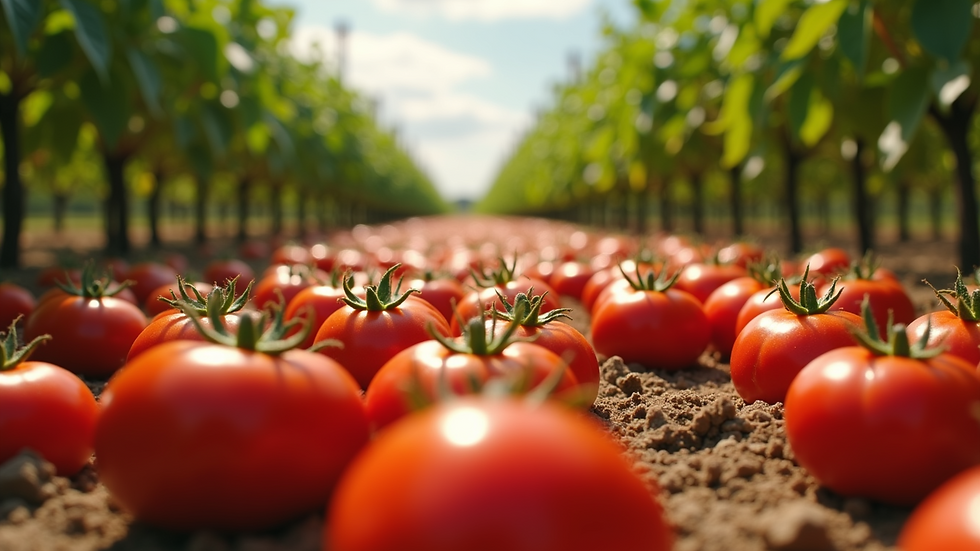
Tomatoes are among the most popular vegetables worldwide. They grow in many climates and have a wide range of uses—from fresh eating to sauces and canned goods. Varieties like cherry tomatoes and heirloom types can fetch premium prices at farmers markets and specialty stores.
Requires well-drained soil and consistent watering
Harvest period can be extended with staggered planting
Susceptible to pests, so integrated pest management is important
Bell Peppers
Bell peppers come in various colors and are in demand year-round. They have a relatively short growing season and can be grown in greenhouses or open fields.
Need warm temperatures and fertile soil
Can be sold fresh or processed
High market value in urban areas
Leafy Greens
Spinach, kale, and lettuce grow quickly and can be harvested multiple times. They are popular with health-conscious consumers and restaurants.
Prefer cooler weather, making them ideal for spring and fall
Require frequent watering and good soil fertility
Can be grown in small spaces or hydroponically
Grains and Cereals That Provide Steady Income
Grains remain staples for many farmers due to their broad market and storage ease.
Corn
Corn is versatile, used for food, feed, and biofuel. It grows well in many regions and benefits from mechanized planting and harvesting.
Requires fertile soil and adequate rainfall or irrigation
High yield potential with proper management
Market prices can fluctuate, so contracts or futures may help manage risk
Wheat
Wheat is a global staple with strong demand. Different varieties suit different climates, from winter wheat to spring wheat.
Grows best in temperate zones with moderate rainfall
Crop rotation with legumes can improve soil health
Can be stored long-term, allowing flexible selling times
Rice
Rice is essential in many diets worldwide. It requires specific conditions like flooded fields but can be highly profitable in suitable areas.
Needs abundant water and flat land
Labor-intensive but mechanization is increasing
High demand in many countries ensures steady markets
Fruits That Offer Long-Term Returns
Fruit crops often require more initial investment but can provide steady income for years.
Apples
Apples are widely consumed and come in many varieties. They require well-prepared soil and careful pruning.
Need temperate climates with cold winters
Trees take a few years to mature but produce for decades
Can be sold fresh, as juice, or in processed forms
Berries
Strawberries, blueberries, and raspberries have grown in popularity due to their health benefits.
Require acidic soil and good drainage
Can be grown in small plots or containers
High labor input but good returns at farmers markets
Citrus Fruits
Oranges, lemons, and limes thrive in subtropical and tropical climates.
Need frost-free conditions and well-drained soil
Trees produce fruit for many years
Can be sold fresh or processed into juices and oils
Livestock Products That Complement Crop Farming
Integrating livestock can diversify income and improve soil fertility through manure.
Poultry
Chickens for eggs or meat are relatively easy to raise and have quick turnover.
Require shelter, feed, and water
Eggs and meat have steady demand
Can be raised on small or large scales
Dairy
Cows, goats, or sheep provide milk, cheese, and other dairy products.
Require pasture or feed and regular care
Milk can be sold fresh or processed
Higher initial investment but steady income potential
Bees for Honey
Beekeeping supports pollination and produces honey and beeswax.
Requires knowledge of bee care and hive management
Honey has growing demand as a natural sweetener
Supports crop yields through pollination
Specialty Crops for Niche Markets
Farmers can explore specialty crops that cater to specific markets or uses.
Herbs
Basil, mint, rosemary, and other herbs grow quickly and sell well fresh or dried.
Need well-drained soil and moderate watering
Can be grown indoors or outdoors
Popular with chefs, health stores, and herbal product makers
Mushrooms
Mushrooms like shiitake or oyster can be grown indoors with controlled conditions.
Require specific humidity and temperature
Quick growth cycle allows multiple harvests
High market value, especially organic or exotic varieties
Organic Produce
Growing organic fruits, vegetables, or grains can attract premium prices.
Requires certification and strict management
Avoids synthetic pesticides and fertilizers
Growing consumer demand supports higher prices
Practical Tips for Choosing Agricultural Products
Test your soil to understand what crops will thrive.
Research local markets to identify demand and prices.
Start small with new crops to learn best practices.
Consider water availability and irrigation needs.
Plan crop rotation to maintain soil health.
Use technology like weather apps and soil sensors to improve yields.
Connect with extension services or farming groups for advice.
Final Thoughts on Agricultural Product Choices
Choosing the right agricultural products is a key step toward a successful farming operation. By considering climate, market demand, and resource availability, farmers can select crops and livestock that fit their goals and environment. Experimenting with a mix of vegetables, grains, fruits, and specialty products can spread risk and open new income streams. Staying informed and adaptable will help farmers thrive in changing conditions.
Farmers ready to explore new products should start with research and small trials. Connecting with local agricultural experts and fellow farmers can provide valuable insights. With careful planning and effort, the right agricultural products can lead to a rewarding and sustainable farming future.


Comments